
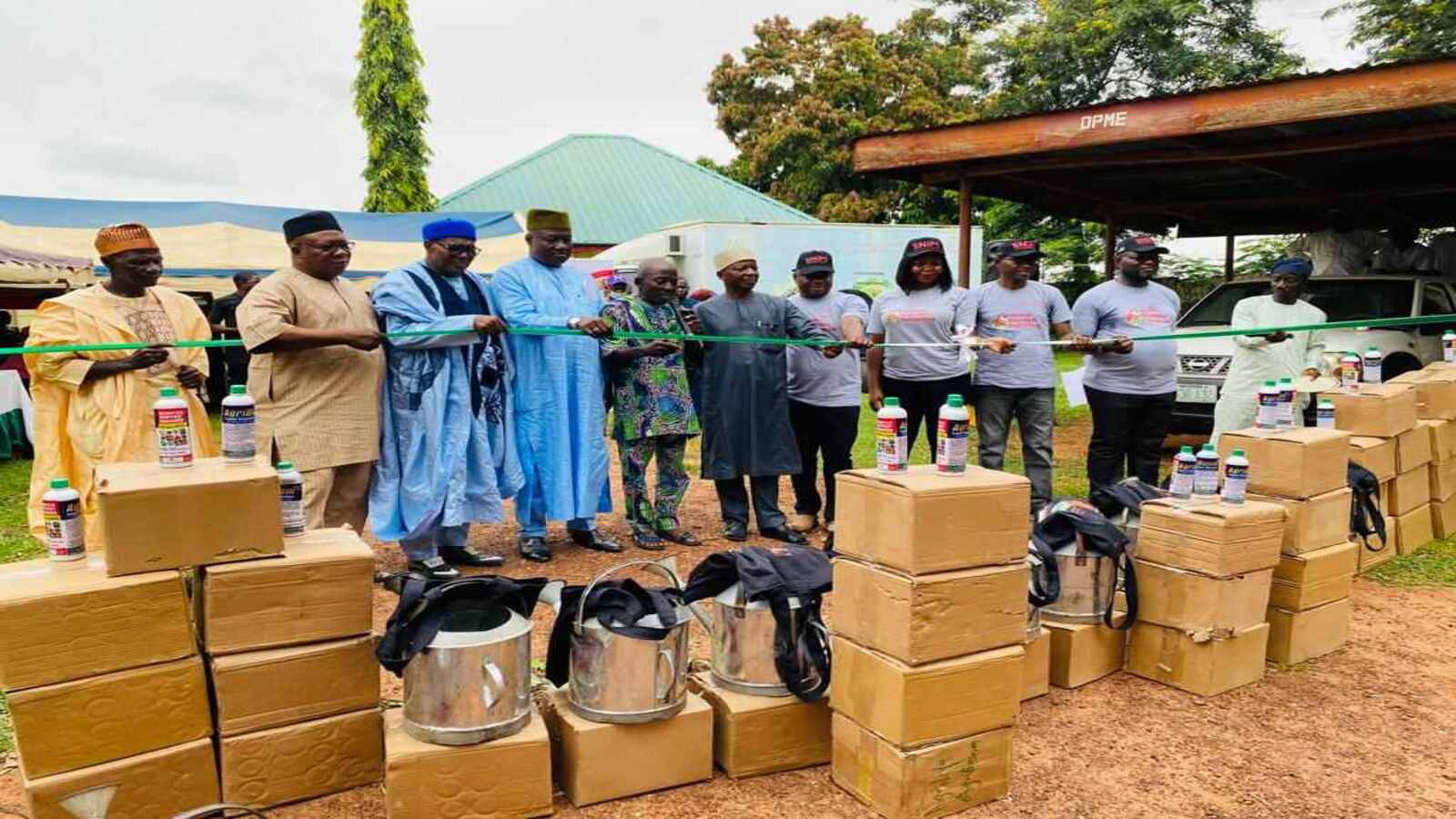
DDI Concludes GAIN-SNiPS Home Garden Initiative Across 3 States
Diamond Development Initiatives (DDI) is proud to announce the successful completion of its role as the implementing partner for the Home Garden component of the Global Alliance for Improved Nutrition (GAIN) Strengthening Nutrition in Priority Staples (SNiPS) Project in Nigeria. For the past three years, this vital initiative has empowered 21,414 households across Benue, Kaduna, and Nasarawa states by boosting their capacity to grow and consume safe, nutrient-dense foods.
Key Achievements and Impact
The project’s primary goal was to assist smallholder farmers and farm workers in the rice and maize value chains to make healthier dietary choices through improved access to and consumption of nutritious foods. Key achievements include:
- Expanded Reach and Empowerment: The initiative networked 21,414 households, surpassing the original target of 20,000. Notably, women consistently formed the majority of participants, accounting for 71%, which is crucial for garden maintenance and long-term success.
- Capacity Building: DDI conducted comprehensive capacity building sessions by training 102 Extension Agents (EAs) and 480 Lead Farmers on Good Agronomic Practices (GAP), nursery management, nutrition education, among other relevant skills. These master trainers, in turn, delivered step-down training to 21,033 households.
- Infrastructure and Inputs: A total of 102 demonstration plots were established, serving as vital practical learning centres. Furthermore, 21,305 households received essential inputs like improved seeds (amaranth, tomato, pepper, okra), liquid organic fertiliser, and Vitamin A-rich Orange-Fleshed Sweet Potato (OFSP) vines.
- Innovative Farming: The project actively promoted innovative, climate-smart solutions. Techniques such as sack gardening were introduced to overcome challenges like cramped spaces, poor soil, and rigid garden layouts, offering a budget-friendly way for families to secure year-round fresh produce.
A Focus on Sustainability
In line with DDI’s sustainability-focused approach, the concept of sustainability was woven into the project’s design from inception. The Lead Farmer Model established a local source of expertise and high-quality planting materials. Lead farmers were trained to multiply OFSP vines and vegetable seedlings, providing a sustainable, local supply network for the wider community, a key step in fostering local resilience and creating agribusiness opportunities.
Additionally, training on waste management and composting offered an alternative, safe, and sustainable approach to soil health and fertility, mitigating the dependence on costly inorganic fertilisers. This integrated approach was designed to ensure the practices continue long after DDI’s involvement ends.
Community Voices and Future Outlook
As a demonstration of DDI’s bottom-up, practical, participatory approach, the nature of the training sessions, delivered in local languages (Hausa, Tiv, Idoma, Alago), ensured maximum knowledge retention and adoption. As expressed by Hadiza Salisu Aliyu, a participant and a resident of Yakawada Village of Giwa community of Giwa LGA, who adopted the staggered sowing technique: “I used my Amaranth many times in our food. I have told my household that if they keep a home garden, they will save money from buying and getting vitamin A and other nutrients”.
The successful scaling, strong engagement of women and youth, and the proven adoption of sustainable practices underscore the efficacy of the home garden initiative. DDI is proud to have partnered with GAIN Nigeria and local stakeholders to strengthen the capacity of households in these states, contributing to greater food security and improved nutrition.
DDI is also committed to ensuring that interventions such as this are scaled to reach more households across Nigeria. This is why DDI is calling on donors, foundations, governmental and non-governmental agencies as well as all well-meaning individuals to support the scale-up of this proven model and expand access to safe, nutritious diets for more families, by exploring partnership or collaboration opportunities with DDI.